Wing Solar
Wing Solar
Wing Solar
Explore our engineered-to-order hardware portfolio, ranging from micro-kits to utility-scale hybrid storage infrastructure designed for maximum yield and longevity.
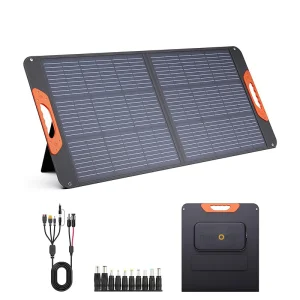
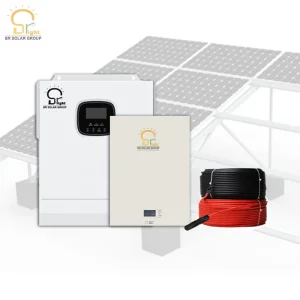
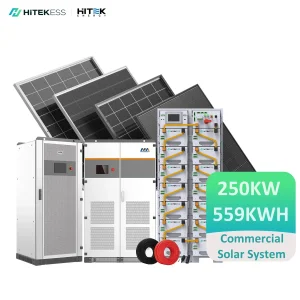
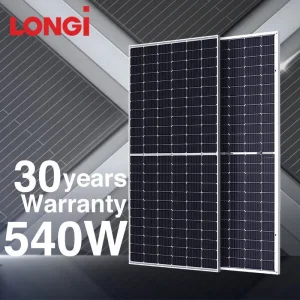
How advanced configuration methodologies, BOS optimization, and N-Type high-efficiency technology are redefining the LCOE (Levelized Cost of Energy) of modern grid infrastructures.
In the contemporary global energy landscape, a photovoltaic system is no longer just a collection of modules and inverters. Modern PV system design is a highly complex, multi-variable optimization challenge. As a premier Chinese PV exporter, our engineering philosophy revolves around maximizing energy density while minimizing the lifetime Balance of System (BOS) costs. This requires strategic alignment across structural design, electrical staging, thermal characteristics, and localized atmospheric conditions.
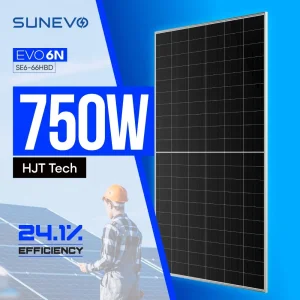
Selecting the right tech pathway—such as moving from legacy P-type PERC structures to cutting-edge N-type Tunnel Oxide Passivated Contact (TOPCon) or Heterojunction (HJT) cells—dictates the economics of utility-scale project financing. The lower temperature coefficient, negligible Light Induced Degradation (LID), and superior bifaciality of N-type cells yield significant annual output gains, especially in high-temperature or diffuse-light regions. By exporting comprehensive design solutions alongside our hardware, we guarantee that projects are optimized from day one.
Moreover, modern projects demand smart integration with energy storage. The transition to hybrid designs featuring BESS (Battery Energy Storage Systems) allows systems to mitigate clipping losses, balance grid fluctuations, and participate in load-shifting arbitrage. Our exports are supported by rigorous simulation using industry-standard platforms (such as PVsyst and AutoCAD), ensuring that string configurations match inverter MPPT inputs perfectly and tracking systems are dynamically tuned to localized wind and snow loading criteria.
From residential micro-kits designed for quick installation to massive multi-megawatt commercial arrays, every system engineered by Wing represents the pinnacle of Chinese manufacturing maturity. We combine decades of hardware fabrication experience with next-generation grid compliance standards, ensuring long-term asset profitability for developers across the globe.
We offer a wide range of products for residential, commercial and industrial applications, and utility-scale. We are committed to utilizing the most advanced technologies and maintaining the highest quality standards in the design, manufacturing, and delivery of our solar panels.
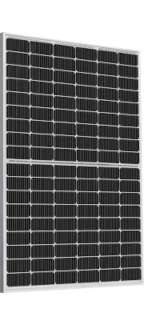
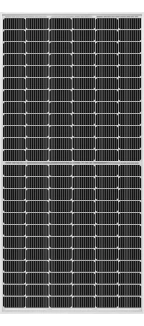
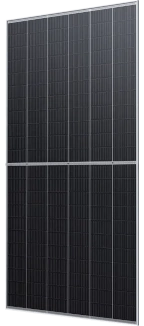
Our core business focus revolves around persistent technical innovation, verified asset reliability, global service localization, and long-term ecological sustainability.
Decentralized generation and complex terrain integrations dictate modern export requirements.
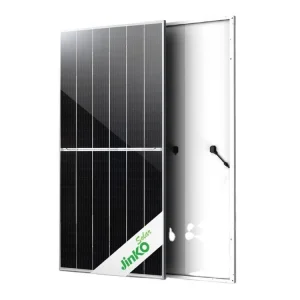
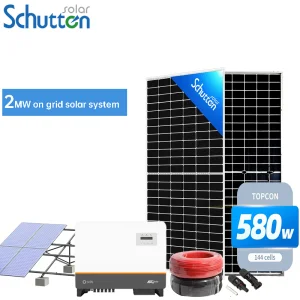
For utility scale applications, bifacial N-type modules (such as our 705Wp model) capture reflected light from the albedo, providing up to 25% additional energy yield. Combined with robust single-axis trackers, our optimized PV designs significantly lower overall Balance of System (BOS) capital costs.
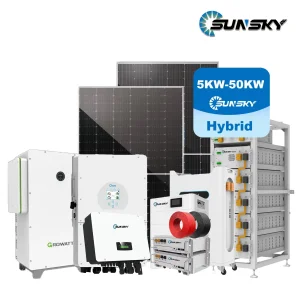
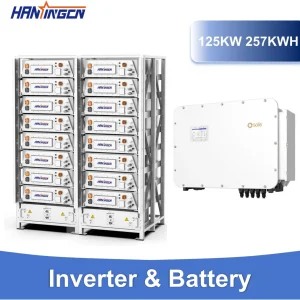
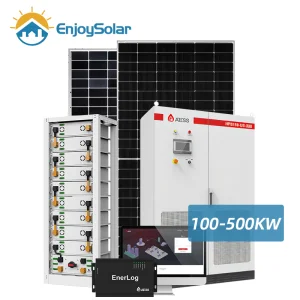
Commercial facilities demand uninterrupted operations. Our hybrid solutions integrate multi-port high-power inverters (50kW to 250kw) with scalable containerized lithium storage systems, maximizing self-consumption and protecting plants from costly utility outages.
Aesthetic premium designs using all-black monocrystalline or compact N-type 455Wp modules ensure high efficiency (22.77%) on limited roof spaces, integrated with smart hybrid energy storage for clean, 24/7 domestic self-sufficiency.
Streamlining regulatory approval and ensuring structural compliance across international borders.
Securing project approvals requires strict adherence to localized electrical codes and regional grid codes. Our engineering design teams analyze local parameters, from IEEE standards in North America to EN regulations in Europe. We ensure all exported modules, cables, and inverters carry verified certifications, including ISO 9001, ISO 14001, CE, TUV, and RoHS, ensuring flawless grid interconnection.
Furthermore, structural designs are simulated against site-specific environmental threats. Whether facing high-velocity wind zones in coastal regions, heavy snow loads in alpine environments, or seismic activity, we optimize racking layouts and tilt angles. Our structures are backed by wind tunnel testing and finite element analysis (FEA) to secure 30-year operational lifetimes.
With operational headquarters in Vienna, Austria, and high-capacity manufacturing centers in China, Wing bridges the gap between cost-efficient supply chains and local European project support. This dual presence enables rapid local engineering support, direct technical consultations, and reliable spare parts delivery.
Our logistical systems manage every stage, from secure ocean freight packaging to import customs clearance. Specially constructed container packing safeguards large-format modules against micro-cracking during transport. We also offer project-site delivery schedules to align shipping arrivals with physical installation milestones on the ground.
Transitioning toward Heterojunction (HJT) 2.0, Perovskite Tandem Architectures, and AI-Driven Smart Grid Coordination.
Transitioning to production-level HJT cells targeting efficiencies exceeding 25.5%, featuring symmetrical cell structures for outstanding bifacial performance.
Investing in R&D for double-junction perovskite tandem architectures to break past the theoretical efficiency limits of single-junction silicon cells.
Integrating cloud-based dynamic digital twin modeling into our design phase, enabling automated generation modeling, degradation tracking, and predictive maintenance.
Professional engineering answers to key technical questions concerning design, shipping, and systems integration.
Select from our certified high-output modules, structural wiring cables, thermal management components, and high-cycle storage kits.