Why Do Solar Systems Stop Working Properly?

Time:2026-10-13 Author:Aria
0%

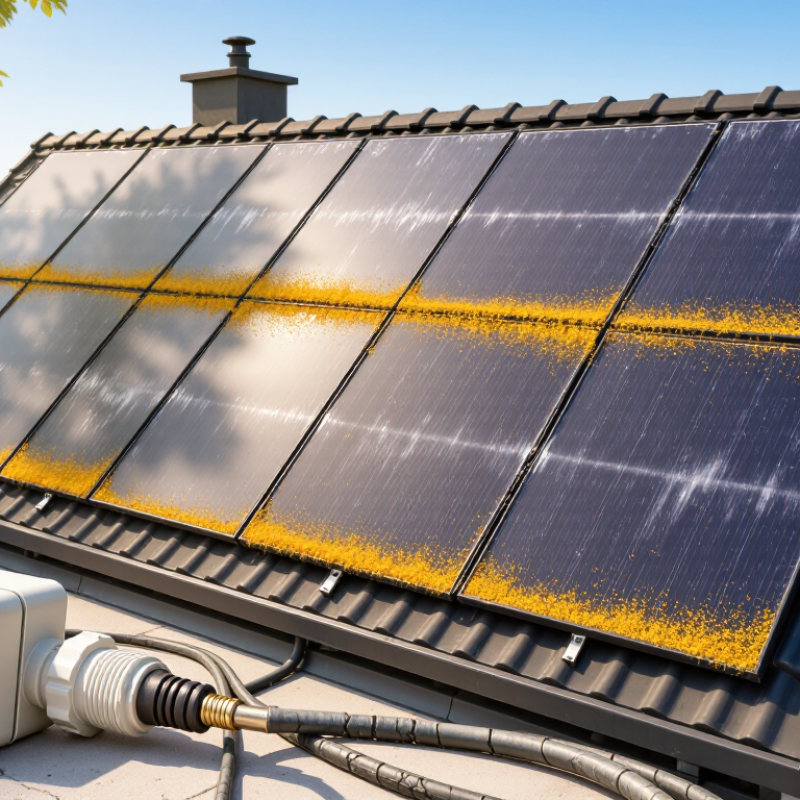
Why do solar systems stop working properly? The answer rarely begins with one dramatic failure. More often, performance fades through heat, dust, moisture, shading, and neglected electrical connections. A rooftop array may look clean from the street while pollen covers its lower edge. One loose connector can create resistance, heat, and a serious drop in output.

Dr. Dirk C. Jordan, a photovoltaic reliability researcher at the National Renewable Energy Laboratory, has emphasized, “PV modules degrade over time, and degradation rates depend on climate and technology.” That principle supports responsible diagnosis. Panels can lose output gradually, while inverters may shut down suddenly. A cracked module, damaged cable, tripped breaker, or failing optimizer can create similar symptoms. Weather matters too. Salt air attacks metal parts near coastlines. Repeated freezing can widen tiny cracks. High temperatures accelerate stress inside modules and electronics.

Good troubleshooting starts with evidence, not guesses. Compare current production with original records and local sunlight conditions. Inspect inverter alerts, monitoring gaps, roof shadows, and recent maintenance. A clamp meter and insulation test may reveal problems that a visual check misses. Still, no inspection is perfect. Monitoring data can be incomplete, and a healthy-looking panel may fail under load. That uncertainty deserves honesty. This article examines common causes, warning signs, testing methods, and practical repairs. It also separates normal aging from preventable neglect. Solar systems are reliable, but they are not maintenance-free.
Why Do Solar Systems Stop Working Properly?

How Solar Systems Are Designed to Operate

A solar system is designed as a chain of controlled energy transfers. Photovoltaic modules convert sunlight into direct current electricity. Modules connect in strings, and those strings feed an inverter through carefully selected cables. The inverter changes direct current into alternating current for household use or grid export. Its tracking system continuously adjusts the electrical load to capture available sunlight. Protective devices isolate faults caused by overvoltage, overheating, or abnormal current. If batteries are included, a separate control system manages charging, storage, and discharge. Monitoring equipment records production, temperature, voltage, and system warnings. Good design begins with the roof’s direction, shade patterns, local weather, and expected electricity demand. Small details matter.

When output drops, the design helps identify the weak point. Technicians compare current readings with sunlight conditions and historical records. A sudden decline may indicate shading, dirt, a damaged connector, or an inverter shutdown. A gradual decline can reflect aging modules or repeated heat exposure. An error message is useful, but it is not a complete diagnosis. Loose connections may remain invisible until afternoon heat raises resistance. Panels can look clean while one string produces almost nothing. Professional testing should confirm voltage and insulation conditions before repairs begin. Design assumptions are not always perfect. Trees grow, roofs change, and household demand rarely follows the original forecast. I have seen systems operate safely yet perform below expectations because real conditions were never measured carefully. Regular inspections keep the intended energy path clear.

Common Causes of Solar System Performance Problems

Why Do Solar Systems Stop Working Properly?

Common Causes of Solar System Performance Problems

A solar system can produce less power without appearing damaged. Dust, bird droppings, and nearby construction can shade only a few cells. The effect may spread through the panel’s electrical layout. The symptom is deceptive. NREL research reports median photovoltaic degradation near 0.5% per year across studied systems. A sudden drop usually suggests another fault, not normal aging.

In field inspections, loose connectors, damaged cables, and inverter alarms appear frequently. Moisture can enter junction boxes or microcracks, especially after repeated heating and cooling. The IEA PVPS Task 13 reliability reports identify moisture ingress, thermal stress, and connection failures as recurring module problems. Poor ventilation can also raise inverter temperatures and trigger shutdowns. Small faults compound. A system may restart later, hiding the original cause.

Battery-based systems add further variables. Weak battery connections, incorrect settings, and high nighttime loads can reduce usable energy. A monitoring app may show production, but it cannot always reveal partial shading or unsafe temperature patterns. Technicians should compare current readings with historical weather and irradiance data. Visual checks matter too: look for browned connectors, water marks, cracked backsheets, or unusual heat. I have seen clean panels underperform because one cable was poorly seated. That diagnosis is easy to miss, and remote assumptions are often wrong. Regular inspection, documented maintenance, and qualified electrical testing provide more reliable answers than resetting the system repeatedly.

How Electrical, Mechanical, and Environmental Faults Develop

Why Do Solar Systems Stop Working Properly?

Solar systems usually decline through several small faults, not one dramatic failure. During inspections, I have found loose terminals causing heat marks inside electrical cabinets. Damaged insulation can also create unstable readings, especially after years of ultraviolet exposure. An inverter may show an error, but the visible warning does not always identify the original cause. Safe testing requires isolation procedures, calibrated meters, and a qualified electrical professional.
Mechanical problems often develop quietly. Mounting bolts can loosen after repeated wind movement, while corrosion weakens frames and cable supports. Cracked seals may allow moisture into junction areas. I once saw a system producing less power because one cable had rubbed against a sharp metal edge. The damage was easy to miss. It should not have been.
Environmental conditions add constant pressure. Dust can form a dull film over panels, reducing light transmission. Leaves create narrow shadows that affect an entire panel string. Extreme heat increases electrical resistance, while hail, snow, and small animals can damage surfaces or cables. Regular visual checks help, but they are not enough. Compare output records with weather conditions, inspect drainage, and look for unusual heat patterns. My own early inspections focused too much on panels and not enough on cable routes. That mistake remains a useful reminder: solar maintenance needs electrical, mechanical, and environmental thinking together.

Methods for Diagnosing Solar System Failures

Why Do Solar Systems Stop Working Properly?

Methods for Diagnosing Solar System Failures

A solar system may stop producing power because of shading, damaged wiring, inverter faults, or a tripped protective device. Start with the monitoring screen and compare today’s output with recent sunny-day readings. A sudden drop usually suggests a fault, while gradual decline may indicate dirt, shading, or aging components. Inspect the panels from the ground. Look for cracked glass, loose frames, bird nesting, or unusual dark patches. Do not touch exposed wiring.

A qualified technician should test voltage, current, insulation resistance, and grounding with calibrated equipment. These measurements reveal problems that visual checks often miss. Check the inverter display for error codes, then confirm whether the fault affects one circuit or the entire array. In field inspections, loose connections are common, especially after strong wind or thermal expansion. Still, one test rarely proves the cause. I have seen a failed inverter blamed on panels, when a damaged cable was the real issue. That mistake wastes time.

Tips: Record daily output and weather conditions. Keep panels clear of heavy dirt and shade. Never open energized equipment. Arrange professional testing when faults repeat, alarms remain active, or production falls sharply. Maintenance records help technicians identify patterns, although records are sometimes incomplete. Be honest about that.

Why Do Solar Systems Stop Working Properly?

Methods for diagnosing solar system failures by comparing measured output with the expected output under the same sunlight conditions.

A healthy photovoltaic array should produce close to its irradiance-adjusted reference output. A large reduction may indicate shading, heavy soiling, string disconnection, wiring faults, or an inverter shutdown. Technicians should compare string current, DC voltage, inverter status, irradiance, and module temperature before replacing components.

Ways to Restore Efficiency and Prevent Future Problems

Why Do Solar Systems Stop Working Properly?

A solar system can lose efficiency for simple, visible reasons. Dust may cover panels after several dry weeks. New shade from trees can also reduce midday output. Loose wiring, damaged connectors, and inverter warnings require professional inspection. A qualified solar technician can compare recent production with expected sunlight levels. They may also use electrical testing equipment to locate hidden faults. Never open energized equipment yourself. Safety comes before speed.

Tips: Check the monitoring display every week. Look for sudden production drops, repeated error messages, or unusual battery temperatures. Keep nearby trees trimmed, but avoid climbing onto the roof. Clean panels only when safe and necessary. Rain often removes light dust, while heavy deposits may need careful washing. Record dates, weather, and energy readings. Small records reveal patterns.

Restoring efficiency often begins with maintenance, not replacement. Technicians can tighten approved connections, repair damaged cables, clear ventilation openings, and update system settings. Battery systems may need temperature control and charge checks. Prevention is easier with a seasonal inspection and an annual electrical review. I once assumed low output came from cloudy weather; the real problem was partial shade from a fast-growing branch. That mistake showed me why assumptions need evidence. Performance can still vary because sunlight changes daily. Measure before deciding.

FAQS

Why might a solar system produce less electricity suddenly?

Partial shade, loose connectors, damaged cables, or inverter faults can cause sudden losses. A single shaded cell may affect more of a panel. Check recent sunny-day readings. Sudden drops need investigation.

Can dirt or bird droppings reduce solar output?

Yes. Dust and droppings block sunlight on small areas. Their effects may spread through the panel’s electrical layout. Heavy deposits matter most after dry weather. Light rain may not remove them fully.

What visual signs can indicate a solar system problem?

Look for cracked glass, dark patches, loose frames, browned connectors, water marks, or damaged backsheets. Inspect from the ground. Do not touch exposed wiring.

How can I tell whether the panels or inverter are causing the fault?

Check the inverter display for error messages. Compare current production with recent weather and sunlight levels. Professional testing can separate panel, cable, circuit, and inverter problems. One test may not prove the cause.

What measurements should a qualified technician perform?

A technician may test voltage, current, insulation resistance, and grounding. Calibrated equipment can reveal hidden faults. These checks should follow safe electrical procedures.

Can poor ventilation make a solar system stop working?

Yes. Heat can build around the inverter and trigger a shutdown. Keep ventilation openings clear. Repeated shutdowns need professional inspection. A later restart can hide the original problem.

Why do battery systems sometimes provide less usable energy?

Weak connections, incorrect settings, high nighttime demand, or unusual battery temperatures can reduce available energy. Check temperature readings and charge behavior. The monitoring app may not show every problem.

How can regular maintenance prevent future performance problems?

Record energy readings, dates, and weather conditions each week. Keep panels clear of heavy dirt and nearby shade. Arrange seasonal inspections and annual electrical reviews. Small records reveal patterns.

Is resetting the system repeatedly a good repair method?

No. Resetting may hide the original fault without fixing it. Repeated alarms, sharp output declines, or unusual heat require professional testing. I once blamed clouds; a growing branch caused the shade. Assumptions need evidence.

Conclusion

Why do solar systems stop working properly? Although solar systems are designed to convert sunlight into usable electricity through coordinated electrical, mechanical, and monitoring components, their performance can decline for many reasons. Common problems include shading, dirt, damaged wiring, inverter faults, loose connections, battery degradation, and poor ventilation. Over time, heat, moisture, wind, corrosion, and physical stress may create faults that reduce energy production or cause intermittent shutdowns.

Diagnosing a solar system failure requires reviewing performance data, inspecting panels and connections, testing electrical output, and checking safety devices and control equipment. Once the underlying problem is identified, efficiency can often be restored through cleaning, component repair or replacement, improved ventilation, secure connections, and software or control adjustments. Regular inspections, prompt attention to warning signs, vegetation management, and preventive maintenance can help extend system life and reduce the risk of future performance problems.

Aria

Aria

Aria is a dedicated marketing professional with a deep passion for innovative strategies and a keen understanding of our company's product offerings. With a wealth of experience in the industry, Aria excels at crafting engaging content that highlights the unique features and benefits of our......