Wing Solar
In recent years, the question arises, "Why is solar power becoming more popular?" Solar energy has surged in numerous regions, driven by technological advancements and changing environmental attitudes. In 2026, we see more homeowners installing solar panels. This shift goes beyond mere savings. It reflects a broader commitment to sustainability.
Falling costs for solar technology have made it accessible for many families. Incentives and rebates further boost adoption rates. However, there are challenges. Many still struggle with upfront costs or find installation processes confusing. Addressing these gaps is essential for broader acceptance.
Furthermore, awareness of climate change fuels interest in renewable energy. Communities are rallying around cleaner options, pushing governments to create supportive policies. While solar power's growth is promising, there remains much work. Understanding these dynamics can provide insights into solar energy’s future.
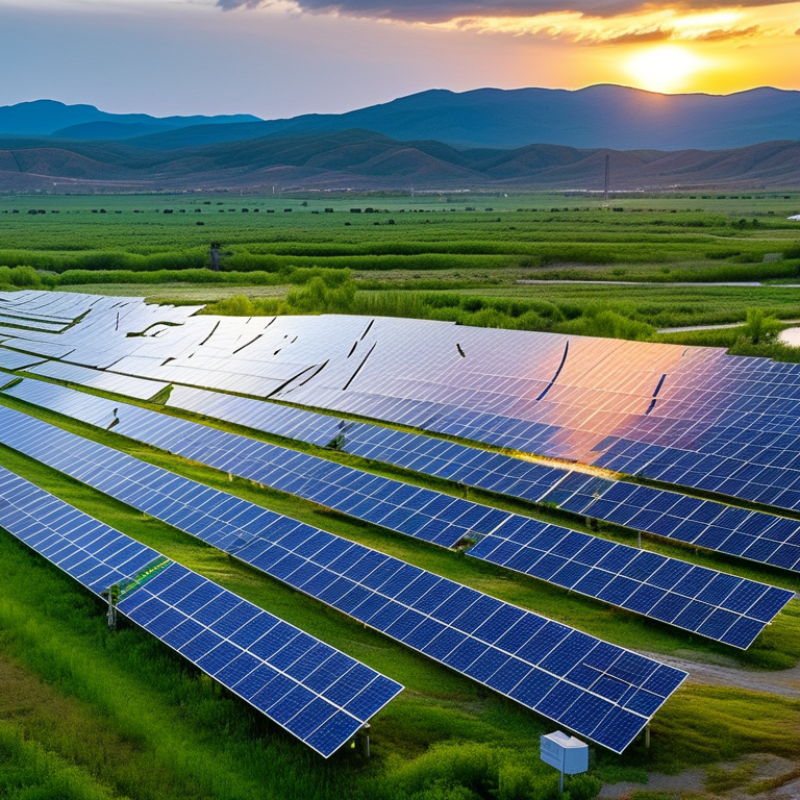
The efficiency of solar technology is on the rise in 2026. Advances in materials, design, and installation methods are at the forefront. New photovoltaic cells convert sunlight into electricity with unprecedented efficiency. This change is attracting more homeowners and businesses.
Recent studies show that modern solar panels can reach efficiency rates exceeding 25%. This is a significant leap from previous generations. Coupled with improved battery storage solutions, solar energy becomes more reliable throughout the day. Additionally, less frequent maintenance requirements are appealing to potential users.
Despite these advancements, challenges remain. Not all regions benefit equally from enhanced solar technology. Some areas still lack the infrastructure to support widespread adoption. It's essential to reflect on these disparities and work towards solutions that make solar accessible to everyone. This is a vital area for continued development and innovation.
The increasing popularity of solar power in 2026 is largely attributed to supportive government incentives and policies. Many countries are implementing tax credits, grants, and subsidies for solar energy systems. These financial incentives reduce the overall cost of solar installations. Individuals and businesses find this appealing, making solar more accessible.
In addition to financial aid, governments are setting ambitious renewable energy targets. These targets often include specific goals for solar energy generation. Such policies create a more predictable environment for investment. This stability encourages companies to innovate and expand their solar technologies.
Tips: Take advantage of local incentives. Check if your area has programs for residential solar installations. Adding solar can increase your property value, especially with supportive policies in place. Keep informed about changes in regulations, as they can impact your decision-making.
Solar power is experiencing a surge in popularity, largely driven by increasing environmental awareness. Individuals are more informed about climate change. They recognize the negative impacts of fossil fuels. This awareness motivates many to adopt renewable energy solutions, with solar power leading the way.
Communities are actively engaging in sustainability initiatives. Schools teach students about renewable energy options. Workshops and seminars focus on the benefits of solar energy. This grassroots movement encourages families to invest in solar panels, reducing their carbon footprints. However, not everyone has access to affordable options, raising concerns about equity in adoption.
As governments and organizations promote solar energy, the conversation shifts toward climate justice. The challenge remains in addressing the barriers that prevent equal access. Communities with limited resources may struggle to make the switch to solar power. This reality prompts ongoing discussions about how to create a more inclusive framework supporting renewable energy, ultimately improving our environmental landscape.
| Year | Global Solar Capacity (GW) | Public Awareness (% of Population) | Carbon Emission Reduction (Million Tons) | Government Incentives ($ Billion) |
|---|---|---|---|---|
| 2022 | 1,105 | 65% | 1,200 | 15 |
| 2023 | 1,200 | 68% | 1,300 | 18 |
| 2024 | 1,300 | 70% | 1,400 | 20 |
| 2025 | 1,450 | 72% | 1,600 | 22 |
| 2026 | 1,600 | 75% | 1,800 | 25 |
The declining cost of solar installations has been a game changer for consumers. In recent years, prices for solar panels and related equipment have dropped significantly. This trend makes solar energy more accessible for everyday homeowners. With prices falling, more people are considering solar as a viable option.
Installation costs have decreased due to advancements in technology and increased competition in the market. Many homeowners now find that going solar can save them money in the long run. Tax incentives and rebates further enhance these financial benefits. However, some still worry about installation procedures and long-term maintenance.
Despite the progress, barriers remain. The initial decision can feel overwhelming. There are concerns regarding the reliability of certain products. While many choices exist, they can lead to confusion. It’s essential for consumers to research thoroughly. Knowledge and informed decisions result in better investments. Solar power is rising, but consumers must be aware and critical as they navigate their options.
As solar energy continues to grow in popularity, innovations in energy storage and grid integration are crucial. Advanced batteries now store solar energy more efficiently. These batteries help shift energy usage to peak demand times. This means less reliance on fossil fuels during high usage periods. Increased energy density in storage systems enables longer use after the sun sets.
Grid integration is also evolving. Smart grids improve how solar power is managed. They allow for real-time adjustments based on energy production and consumption. However, some areas still struggle with outdated infrastructure. Overcoming these challenges is essential for widespread solar adoption.
Moreover, the cost of installing solar panels continues to drop. Yet, affordability varies by location. This inequality raises questions about access to renewable energy. As cities promote solar initiatives, not all communities benefit equally. Balancing innovation with equitable access remains a complex issue in this transition to sustainable energy.
: Advances in technology and increased market competition are key factors.
Solar installations can save money in the long run due to lower costs and available tax incentives.
Many worry about the installation process and long-term maintenance.
Thorough research leads to informed decisions and better investments.
Advanced batteries are now more efficient, allowing longer use after sunset.
Smart grids allow real-time adjustments for better management of energy production and consumption.
Yes, outdated infrastructure and inequalities in access still pose challenges.
Affordability and access to solar solutions can differ significantly from one location to another.
The abundance of choices can lead to confusion and potential misinformed decisions.
No, there are complexities and hurdles that need ongoing reflection and addressing.
In 2026, solar power is becoming more popular due to several key factors. One major reason is the increasing efficiency of solar technology, which has made it more viable for widespread use. Additionally, government incentives and supportive policies are encouraging consumers to adopt solar solutions, enhancing its attractiveness as a sustainable option.
Furthermore, heightened environmental awareness has prompted a shift towards renewable energy sources, with many individuals actively seeking to reduce their carbon footprints. The declining cost of solar installations has also played a significant role, making it more accessible for homeowners and businesses alike. Innovations in energy storage and grid integration further enhance the reliability and appeal of solar power, solidifying its status as a preferred energy source. Overall, these elements collectively answer the question: Why is solar power becoming more popular?
