How to Maintain Solar Systems Effectively Over Time?

Time:2026-06-19 Author:Aria
0%

Maintaining solar systems effectively over time is crucial for maximizing their efficiency and lifespan. According to the National Renewable Energy Laboratory, regular maintenance can improve energy output by up to 30%. Experts in the solar industry emphasize the importance of preventative care. Dr. Anna Campbell, a leading authority in solar technologies, states, “Regular checks can ensure optimal performance and reveal potential issues early.”

However, many system owners overlook routine inspections. A lack of attention can lead to decreased efficiency and ultimately significant repair costs. For instance, dust or debris accumulation on panels can reduce their ability to capture sunlight effectively. This neglect contributes to inefficiencies that could have otherwise been avoided with minimal effort.

Investing time in maintenance tasks, such as cleaning panels and checking for shading, can greatly enhance system performance. Understanding how to maintain solar systems over time is vital. Setting reminders for regular inspections can help mitigate risks and ensure systems operate at their best. In a fast-evolving energy landscape, proactive maintenance remains essential yet often underappreciated.
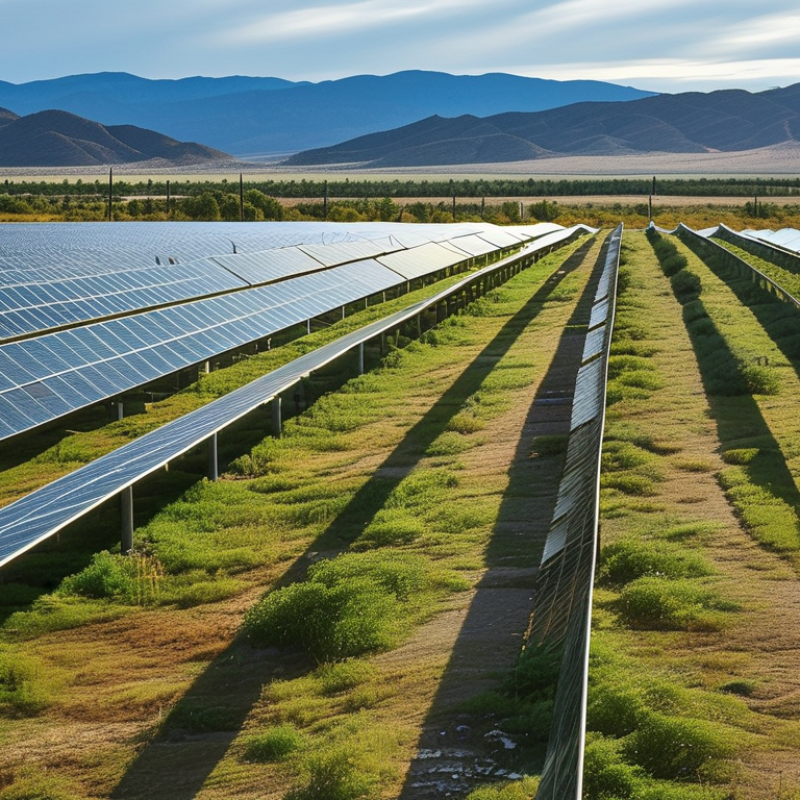
How to Maintain Solar Systems Effectively Over Time?

Understanding Solar System Components and Functionality

Understanding the components of solar systems is crucial for effective maintenance. Solar panels, inverters, and batteries all play distinct roles. The solar panel converts sunlight into electricity. This process relies on photovoltaic cells, which can degrade over time, often by about 0.5% efficiency annually. Monitoring the efficiency of these cells can help catch issues early.

Inverters convert the direct current (DC) generated by panels into alternating current (AC) for home use. A study indicates that inverters have a lifespan of around 5 to 15 years, depending on usage and quality. Regularly checking the inverter's performance via monitoring systems can prevent unexpected failures and costly repairs.

Batteries store energy for later use. Lithium-ion batteries, increasingly popular, typically last 10 to 15 years. However, they may require replacement sooner if not properly maintained. Regular check-ups on battery health can prevent performance dips and ensure energy availability.

Being proactive about these components can lead to long-term savings, even if some maintenance practices require reflection on their effectiveness.

Regular Inspection and Monitoring Practices for Solar Systems

Regular inspections and monitoring are crucial for maintaining solar systems effectively. A study by the National Renewable Energy Laboratory (NREL) indicates that routine checks can improve system efficiency by up to 20%. This is essential for maximizing energy output and ensuring longevity. Monitoring systems can detect issues like shading or soiling, which can significantly affect performance.

Visual inspections should occur at least twice a year. Inspect for debris, dirt, or any shading from nearby trees. Additionally, checking for signs of corrosion or wear on cables can prevent more serious problems. Automated monitoring systems can provide real-time data. They alert owners to unexpected drops in performance. This early warning can save time and potential repair costs.

Data from the Solar Energy Industries Association (SEIA) shows that neglecting maintenance can reduce a system’s output by as much as 15%. While solar technology is robust, it is not infallible. Regularly scheduled maintenance is vital for optimizing performance and ensuring reliable energy generation over time. Some may overlook minor issues, thinking they are insignificant. This mindset can lead to larger problems later on.

How to Maintain Solar Systems Effectively Over Time? - Regular Inspection and Monitoring Practices for Solar Systems

Inspection Frequency Monitoring Practice Key Performance Indicators Recommended Tools
Monthly Visual Inspection Panel Cleanliness, Physical Damage Binoculars
Quarterly Performance Monitoring Energy Output, Efficiency Ratio Energy Monitoring Software
Bi-Annually Electrical System Check Inverter Performance, Wiring Condition Multimeter
Annually Comprehensive System Review Overall System Health Thermal Imaging Camera

Cleaning and Maintenance Techniques for Solar Panels

Cleaning solar panels is an essential part of their maintenance. Dust, leaves, and bird droppings can accumulate, blocking sunlight. Regularly inspecting the panels helps identify any issues. In areas with heavy rainfall, the rain may suffice for cleaning. However, in dry regions, manual cleaning is necessary.

When cleaning, soft brushes or sponges with mild soap work best. Avoid abrasive materials that might scratch the surface. Use plenty of water to rinse off dirt and soap. It’s crucial to clean early in the morning or late in the evening to prevent water from evaporating too quickly. Hot surfaces can cause streaks and reduce effectiveness.

Maintenance goes beyond cleaning. Regularly check the connections and wiring for signs of wear. Look for any shading from nearby trees or buildings that may affect performance. Sometimes, it takes a little extra effort to ensure everything runs smoothly. Keeping records of maintenance activities can help track performance over time. Regular check-ups can lead to better efficiency and longevity for your solar system.

Identifying and Addressing Common Solar System Issues

Solar systems can be vulnerable to various issues over time. One common problem is dirt accumulation on solar panels. This reduces efficiency, blocking sunlight. Regular cleaning or hiring professionals can significantly enhance performance. A simple visual inspection can also reveal cracks or wear. These signs shouldn’t be ignored.

Another frequent issue is inverter failure. Inverters convert solar energy into usable electricity. When they malfunction, energy production drops. Check the inverter’s lights; a red light indicates trouble. Replacing or repairing it may be necessary.

Battery storage systems may degrade, too. Over time, batteries lose capacity, impacting energy use during low sunlight. Regular monitoring is vital. Adequate maintenance can prolong a battery's lifespan. These problems might seem minor, but neglecting them can lead to bigger issues. Regular checks and proactive measures ensure smooth operation.

The Importance of Professional Maintenance and Troubleshooting Services

Effective maintenance of solar systems is crucial for long-term efficiency. Many homeowners underestimate the significance of professional maintenance. According to the National Renewable Energy Laboratory, regular maintenance can improve energy production by up to 30%. This statistic emphasizes the need for expert services to keep solar panels functioning optimally.

Professional troubleshooting services are vital when issues arise. Problems such as inverter failures or debris on panels can significantly lower efficiency. A report from the Solar Energy Industries Association highlighted that nearly 20% of solar energy systems experience operational issues within their first five years. Engaging professionals ensures proper diagnostics and timely solutions, preventing prolonged energy losses.

DIY maintenance might save money initially, but it can lead to costly repairs later. Without professional knowledge, simple tasks may worsen the problem. Experts bring essential skills and experience to the table, helping identify hidden issues that untrained eyes might miss. Investing in professional services can enhance the lifespan of a solar system, yielding better returns on your investment.

Annual Maintenance Checklist for Solar Systems

This chart represents the average percentage of tasks completed during the annual maintenance of solar systems over a three-year period. Professional maintenance is crucial for ensuring the efficiency and longevity of solar systems.

FAQS

: What common issue affects solar panels?

: Dirt accumulation on solar panels reduces efficiency by blocking sunlight. Regular cleaning helps enhance performance.

How can I identify if my inverter is malfunctioning?

Check the inverter's lights. A red light usually indicates trouble. This might mean repairs or replacement are needed.

What happens to battery storage systems over time?

Batteries may degrade and lose capacity, affecting energy use during low sunlight. Regular monitoring is crucial for maintenance.

Why is professional maintenance important for solar systems?

Expert maintenance can significantly improve energy production by up to 30%, ensuring solar panels remain efficient over time.

Are DIY maintenance efforts recommended for solar systems?

DIY may save money initially, but it can lead to costly repairs. Lacking expertise might worsen existing issues.

What problems should I look for during a visual inspection of solar panels?

Look for dirt, cracks, or signs of wear. Ignoring these signs can lead to bigger issues down the line.

How often should I monitor my solar system's components?

Regular checks are vital for all components to ensure smooth operation and to catch potential issues early.

What are the benefits of hiring professional troubleshooting services?

Professionals provide proper diagnostics and solutions, which can prevent prolonged energy losses and improve system efficiency.

How long does a solar system typically function before needing maintenance?

Many systems experience operational issues within the first five years. Regular upkeep can help avoid serious problems later.

Can neglecting maintenance have serious consequences?

Yes, ignoring minor issues can lead to bigger problems, potentially increasing repair costs and reducing energy efficiency.

Conclusion

Maintaining solar systems effectively over time is crucial for maximizing their efficiency and longevity. Understanding the components and functionality of solar systems is the first step in ensuring proper care. Regular inspection and monitoring practices, such as checking for shading, inverter performance, and electrical connections, play a key role in identifying potential issues early. Additionally, cleaning techniques for solar panels should be employed consistently to remove dust and debris that can hinder energy production.

Addressing common solar system issues, such as low output or inverter failure, is essential for optimal performance. While some maintenance tasks can be performed by homeowners, the importance of professional maintenance and troubleshooting services cannot be overstated. Professionals can provide in-depth assessments and repairs, helping to extend the lifespan of solar systems. Ultimately, knowing how to maintain solar systems over time leads to improved efficiency, reduced costs, and a more sustainable energy solution.

Aria

Aria

Aria is a dedicated marketing professional with a deep passion for innovative strategies and a keen understanding of our company's product offerings. With a wealth of experience in the industry, Aria excels at crafting engaging content that highlights the unique features and benefits of our......