Wing Solar
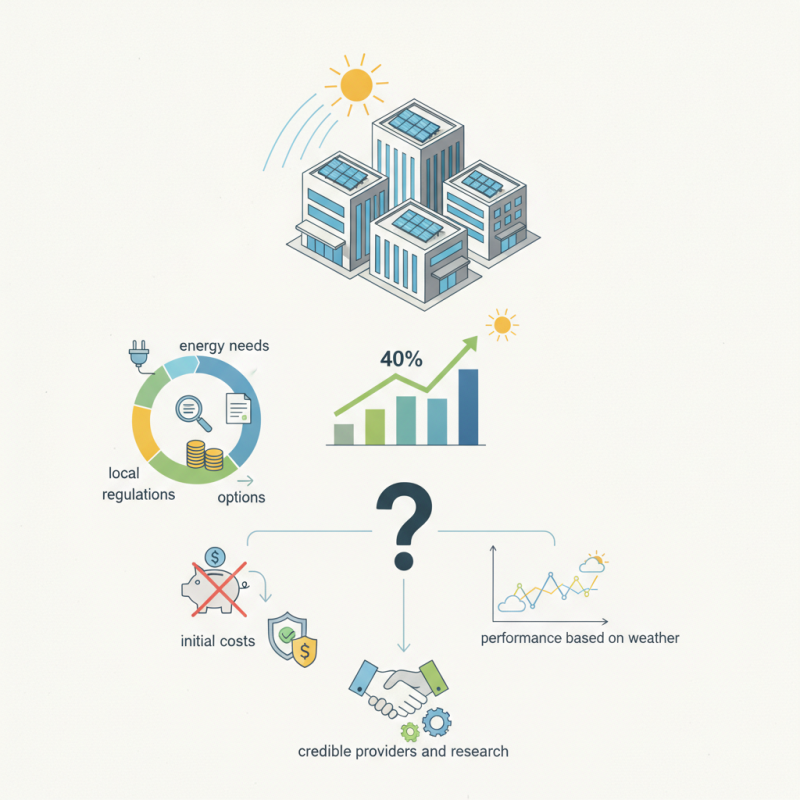
As businesses increasingly seek sustainable energy solutions, many are considering solar power. The question arises, "What do I need to know before going solar?" This decision is not trivial and requires careful consideration of several factors. According to a report by the Solar Energy Industries Association (SEIA), solar installations grew by over 40% in 2021 alone. This growth reflects a broader trend where businesses recognize the long-term financial and environmental benefits of solar energy.
Transitioning to solar involves more than just installing panels. Businesses must understand their energy needs, local regulations, and financing options. A survey by the National Renewable Energy Laboratory highlights that 60% of businesses are deterred by initial costs. However, with federal incentives and financing programs, solar solutions have become more accessible.
Moreover, it is essential to evaluate potential drawbacks. Solar energy can have fluctuating performance based on geographical location and weather conditions. Not all systems guarantee the payback period businesses expect. Therefore, researching credible solar providers and understanding your unique energy usage is critical for informed decision-making.
Understanding solar energy can transform your business. It's crucial to grasp the basics before making a switch. Solar energy harnesses sunlight using photovoltaic cells. These cells convert sun rays into usable electricity. This process reduces reliance on traditional energy sources. It also lowers your operating costs over time.
When considering solar, evaluate your energy needs first. How much energy does your business consume daily? Understand your peak usage times. This information will guide your solar system’s sizing. It’s essential to be realistic about your energy savings. Solar panels require a significant initial investment. The payback period can vary from five to fifteen years.
Research local incentives and rebates. Governments often support businesses willing to go green. This can decrease installation costs. However, quality installations vary. Always choose a provider with proven experience. Read reviews and ask for references. A bad installation can lead to future headaches. Ensure you understand maintenance requirements, too. Solar panels aren’t maintenance-free. Regular upkeep is necessary for optimal performance.
Adopting solar energy can offer significant financial benefits for businesses. Companies often see reduced utility bills. This decrease can improve profit margins. In some cases, solar installations lead to a return on investment within just a few years. This rapid payback period is attractive for business owners. Understanding local incentives can further enhance potential savings.
There are some challenges to consider. Initial installation costs can be high. Financing options may vary. Researching available loans or grants is essential. Some businesses may need to adjust operations during installation. This can lead to temporary disruptions. However, these factors shouldn’t overshadow the long-term benefits. Over 25 years, solar energy can provide substantial savings.
Furthermore, businesses should evaluate their energy needs. Not all solar systems are the same. A tailored solution can maximize efficiency and cost-effectiveness. Some companies may not achieve expected savings. Monitoring energy usage can reveal areas for improvement. Transitioning to solar is not purely a financial decision; it also involves a commitment to sustainability.
The following chart illustrates the financial benefits that businesses can expect when adopting solar energy over a 20-year period. The data compares savings on energy costs, potential tax incentives, and return on investment (ROI) against traditional energy sources.
When considering solar technology for your business, a few key options stand out. Photovoltaic (PV) systems are the most popular. They convert sunlight directly into electricity, making them suitable for various landscapes. You can choose roof-mounted or ground-mounted installations, depending on your available space. Evaluation of local energy costs can enhance your decision.
Another option is solar thermal systems. They use sunlight to generate heat for your business. This technology can be effective for industries that require significant hot water. Consider your specific needs. However, the upfront costs can be high, and the technology may not fit all business models. It’s crucial to analyze your long-term energy goals and budget constraints.
Some businesses explore battery storage with solar. This option allows for energy storage during peak production times. It can provide power during outages but requires careful planning. Additionally, regulations and incentive programs vary widely, impacting financial feasibility. Engaging with reliable experts can help navigate the complexities of solar installation. This step is essential to ensure that the chosen technology aligns with your operational needs and sustainability goals.
Navigating the landscape of commercial solar projects can be daunting. Understanding incentives and regulations is crucial for businesses considering solar energy. According to the Solar Energy Industries Association (SEIA), commercial solar installations have grown significantly, with a 24% increase in capacity in recent years. This growth is driven by federal tax credits, state incentives, and utility programs.
Organizations can benefit from the Investment Tax Credit (ITC), which offers a significant tax deduction for solar installations. Depending on the state, businesses may also access various rebates and grants. However, regulations can vary by region, making it vital to stay informed about local laws that could impact project feasibility and financing. Engaging with a knowledgeable solar consultant can provide clarity on these complex regulations.
Tips: Always review your local government’s policies on solar incentives. This will give you a clearer picture of potential savings. Additionally, consider collaborating with suppliers and lenders who specialize in solar to navigate financial options effectively. Don’t underestimate the importance of community solar programs, which may offer a less direct route to solar benefits. Take the time to evaluate and adjust your strategy as new policies emerge.
When planning for the installation and maintenance of solar systems in your business, several factors come into play. Choosing the right installation team is crucial. Look for experienced professionals with a strong track record. Verify their licenses and check customer reviews. The expertise of your installer can significantly impact your system’s performance and longevity.
Maintenance is another critical aspect. Regular inspections can prevent costly repairs and ensure efficiency. Schedule annual check-ups to clean the panels and check for any damage. Ignoring small issues can lead to bigger problems down the line.
Tips:
: Businesses often see reduced utility bills. This can improve profit margins significantly.
Some installations lead to payback in just a few years. This rapid return is appealing.
Initial installation costs can be high. There may also be temporary disruptions during setup.
Evaluating energy needs is crucial. Tailoring solutions can enhance efficiency and cost-effectiveness.
Yes, there are federal tax credits and state incentives available. Rebates and grants can also help.
Regulations can vary by region. Staying informed about local laws is essential for feasibility.
Absolutely, researching available loans or grants is essential. This can make solar adoption more viable.
No, it also reflects a commitment to sustainability. Aligning values with actions is important.
They provide indirect benefits. These programs can be valuable for businesses that cannot install onsite systems.
Regularly reviewing energy consumption helps identify areas where savings might be achieved.
Transitioning to solar energy can be a significant step for any business, and understanding what do I need to know before going solar is essential. Firstly, it's important to grasp the basics of solar energy, including how it works and the various technologies available. Evaluating the financial benefits is also crucial; businesses should consider potential savings on energy costs and available incentives that can offset initial investments.
Additionally, navigating the regulatory landscape is vital for successful implementation. Different regions may have specific incentives and regulations that impact solar projects. Finally, planning for installation and ongoing maintenance will ensure that your solar system operates efficiently over time. Comprehensive preparation in these areas will help businesses make informed decisions and fully leverage the advantages of solar energy.
