How to Go Solar What You Need to Know?

Time:2026-10-22 Author:Ethan
0%

Going solar can feel simple from the driveway: panels shine, meters turn, and electricity bills appear smaller. The real decision requires more care. If you are asking, “What do I need to know before going solar,” begin with your home, not a sales brochure.

Ryan Wiser, a senior scientist at Lawrence Berkeley National Laboratory, has observed, “Solar PV costs have declined dramatically over the past decade.” That change matters, but lower prices do not guarantee the same result for every household. Roof age, direction, shade, local weather, and annual electricity use shape the system’s value. A tall tree can cover panels at 3 p.m. A twelve-year-old roof may need replacement first.

Check your last twelve months of utility bills. Ask how your utility credits excess electricity. Policies differ widely. Some homeowners need batteries for backup, while others may not recover their cost quickly. Compare at least three installers, and verify licenses, warranties, insurance, references, and production estimates. Read every contract carefully. “Zero upfront cost” can still mean a long financial commitment.

There is room for doubt here. Solar is not automatically the cheapest choice. It can be excellent, but only when the numbers fit your property and goals. This guide explains panel types, financing, permits, incentives, maintenance, battery storage, and common installation mistakes. You will also learn which questions deserve clear answers before signing anything. Small details matter. A shaded panel can change the entire estimate.
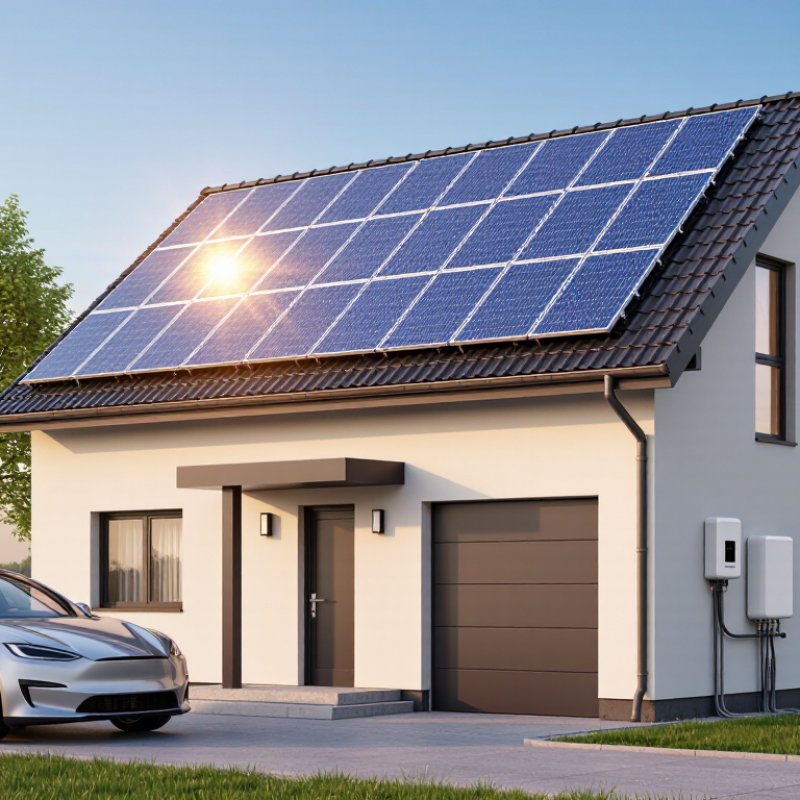
How to Go Solar What You Need to Know?

Understanding Solar Energy and Its Main Applications

Solar energy begins with sunlight, but using it well requires more than placing panels on a roof. Photovoltaic panels convert light into electricity for homes, schools, offices, and factories. Solar thermal systems use sunlight to heat water for showers, kitchens, and industrial processes. Sunlight is variable. Clouds, shade, roof direction, and seasonal changes all affect production.

A careful home assessment examines roof strength, usable area, local weather, and daily electricity use. For example, a south-facing roof may produce strong midday output, while a family needs more power in the evening. Batteries can store excess electricity, but they add cost, weight, and maintenance needs. An experienced installer should explain expected generation using local data, not optimistic estimates. Electrical inspections and permits also protect safety and long-term reliability.

Larger solar farms supply electricity to the grid, especially in regions with open land and strong sunlight. Smaller systems can support remote clinics, farms, and emergency facilities where grid access is limited. Solar pumps may move water for irrigation, while solar lighting improves visibility along paths and public areas. Agrivoltaic projects place panels above crops, though shade can reduce some harvests. The trade-off is real. Recycling old equipment also needs better planning, and solar is not automatically perfect. Good decisions come from measured energy needs, professional design, and honest attention to limitations.

Assessing Your Home’s Solar Potential and Energy Needs

Before choosing solar, inspect how your home actually uses energy. Gather 12 months of utility bills, not one unusually mild month. Note seasonal peaks from heating, cooling, water heating, and electric vehicles. A small spreadsheet can reveal patterns that memory misses. Mine showed the highest demand after sunset, which changed my battery assumptions. Check the roof from the ground, then arrange a professional site assessment. Record roof age, pitch, usable area, and nearby trees. Shade matters. Even brief afternoon shadows can reduce a panel string’s output. A qualified installer should model annual solar access with local weather data and site measurements.

Your energy goal also needs definition. Are you lowering bills, covering essential loads during outages, or approaching annual energy balance? These goals require different system sizes. Review your meter setup, utility rules, and likely future loads with a licensed professional. They can explain interconnection limits, equipment placement, and expected production without promising exact savings. I initially ignored a planned heat pump. That made my first estimate too optimistic. Leave room for uncertainty. Snow, dust, inverter losses, and unusual weather affect real output. Compare modeled annual kilowatt-hours with actual consumption, month by month. If the roof is unsuitable, assess a ground-mounted array only where permitted and practical. Identify essential circuits before considering storage. A clear load profile is more valuable than a large roof.

How to Go Solar: Assessing Your Home’s Solar Potential and Energy Needs

This planning example compares estimated monthly electricity demand with the potential output of a 5 kW rooftop solar system in a U.S. temperate climate. The annual household electricity figure is based on an average residential consumption of approximately 10,800 kWh per year. Actual results depend on location, roof orientation, shading, weather, system losses, and household behavior.

Comparing Solar Panel Systems, Costs, and Financing Options

Going solar starts with comparing the whole system, not just panel prices. A typical home setup includes panels, an inverter, mounting hardware, monitoring, and often a battery. Panel efficiency matters, but roof direction, shade, local weather, and available space may matter more. A shaded roof can produce less energy than a larger system in full sun. Ask installers for hourly production estimates, not only optimistic annual figures. Request recent electricity bills and a roof inspection before accepting any proposal.

Costs usually include equipment, labor, permits, grid connection, and future maintenance. Get at least three itemized quotes. Compare annual output, degradation assumptions, warranty coverage, and removal costs. Cash payment often has the lowest lifetime cost, but it requires substantial savings upfront. A solar loan spreads payments and may protect emergency funds, though interest increases the total. Leases and power-purchase agreements reduce initial expense, yet contract terms may limit flexibility when selling the home. Incentives and tax rules change by location, so verify them through official government sources.

Batteries add outage protection, but they also add cost, weight, and replacement risk. Size one for essential loads, such as refrigeration, lighting, internet equipment, and medical devices. Do not assume every outage is covered. Ask how the system behaves during a grid failure. No estimate is perfect. Leave room for lower-than-forecast production. A clear contract should state who repairs leaks, monitors performance, and handles failed equipment.

Navigating Permits, Installation, and Grid Connection

Going solar is less about panels on a roof than coordinating three approvals. A local authority reviews the electrical design, structural details, and placement. Requirements vary, so download the current permit checklist before signing installation work. In my experience, outdated forms create more delay than difficult engineering. My first checklist was too optimistic. I missed a roof-load document.

A qualified installer should inspect roof age, shade, service capacity, and conduit routes. Ask for a written scope covering equipment ratings, labor, warranties, monitoring, and cleanup. The crew should protect roofing surfaces and label shutoffs clearly. Installation is not finished when panels are bolted down. An inspector must confirm code compliance, and corrections may require another visit. Take photos of cable runs and final equipment labels. Small details matter later.

Grid connection usually begins with an application to the electric utility. It may request a single-line diagram, system size, inverter specifications, and proof of insurance. Do not switch on the system until written permission arrives. The utility may install a new meter, witness testing, or limit exports under local rules. Keep copies of every email, approval, inspection report, and signed agreement. Ask how outages affect backup power; ordinary grid-tied systems shut down for safety. That limitation surprised me. Discuss it before installation, not after a storm.

Maintaining Your System and Measuring Its Long-Term Benefits

A solar system needs attention after installation. I check the panels every few months, especially after dust storms or heavy pollen. Look for cracked glass, loose cables, shaded areas, and leaves trapped beneath the frame. Do not climb onto the roof without proper training. A qualified technician should handle electrical inspections and repairs.

Clean panels can produce more consistent energy, but cleaning too often wastes water and time. In many areas, rain removes ordinary dust. I use the monitoring app to compare daily production with previous weather conditions. A cloudy afternoon should not cause concern. A sudden drop across several clear days deserves investigation. The inverter display can also reveal faults before they become expensive.

Long-term benefits need real measurements, not optimistic guesses. I record monthly energy production, utility bills, maintenance costs, and battery performance. Then I compare those figures with the original estimate. My first forecast was too confident because it ignored winter shading from a nearby tree. That mistake changed my method. Now I review seasonal patterns for at least one full year before judging savings. Keep inspection records, photographs, and invoices together. These details support warranty discussions and make future decisions more reliable.

FAQS

How do photovoltaic panels produce electricity for a home?

Photovoltaic panels convert sunlight into electricity. Roof direction, shade, clouds, and seasons affect daily production. Midday output may be strong, while evening demand remains high.

What information should homeowners collect before choosing a solar system?

Gather twelve months of utility bills and note heating, cooling, water heating, and vehicle-charging patterns. A simple spreadsheet can reveal seasonal peaks. Memory is unreliable.

Which roof conditions can reduce solar performance?

Roof age, strength, pitch, usable area, and nearby trees all matter. Even brief afternoon shadows can reduce a panel string’s output. Snow and dust also lower production.

How can a professional estimate expected solar generation?

A qualified installer should use local weather data, roof measurements, and shade modeling. Ask for annual kilowatt-hour estimates. Avoid promises of exact savings.

Should a home battery always be included with solar panels?

Not always. Batteries store excess electricity for later use, but they add cost, weight, and maintenance. Evening demand or backup needs may justify them.

What different goals can a household have when installing solar?

Some households want lower bills, while others want backup power or annual energy balance. Each goal needs a different system size. Define the goal clearly.

What safety and approval steps are important before installation?

Electrical inspections and required permits support safe, reliable operation. A licensed professional should review the meter, equipment placement, and grid connection rules. Details matter.

Can solar energy support places away from the main grid?

Smaller systems can support remote clinics, farms, and emergency facilities. Solar pumps can move irrigation water, while solar lighting can improve path visibility. Conditions still vary.

Are solar farms and crop-based solar projects always ideal?

Large solar farms need suitable open land and strong sunlight. Panels above crops may reduce some harvests through shading. The trade-off is real.

What mistakes should homeowners avoid during solar planning?

Do not size the system from one mild utility month. I once ignored a planned heat pump, making my estimate too optimistic. Leave room for uncertainty.

Conclusion

Going solar begins with understanding how sunlight is converted into electricity and how solar energy can support everyday needs such as home power, water heating, and backup energy. Before making a decision, ask, “What do I need to know before going solar?” Start by evaluating your roof’s direction, shade, condition, and available space, while also reviewing your household’s electricity usage. These factors help determine the appropriate system size and expected energy production.

Next, compare system types, equipment performance, installation costs, incentives, loans, leases, and other financing choices. You should also learn about the required permits, inspections, utility approvals, and the process for connecting the system to the grid. After installation, regular monitoring and basic maintenance can help identify performance issues early. Over time, solar may reduce electricity expenses, improve energy independence, and provide environmental benefits, but the results depend on local sunlight, energy habits, system quality, and long-term upkeep.

Ethan

Ethan

Ethan is a seasoned marketing professional with a deep expertise in our company's innovative product line. With a passion for sharing knowledge and insights, he takes the lead in regularly updating our corporate blog, where he explores industry trends, product features, and effective marketing......