China Top 10 How to Make Solar Energy More Efficient?

Time:2026-10-18 Author:Sienna
0%

How to make solar energy more efficient is no longer a question limited to laboratory researchers. It now concerns homeowners, engineers, city planners, and manufacturers. IEA Executive Director Fatih Birol described solar power as “the new king of electricity.” His statement reflects a changing energy market, but it also raises a harder question: how much sunlight becomes useful electricity?

This China Top 10 guide examines practical answers. It will compare high-efficiency photovoltaic cells, cleaner panels, solar tracking systems, smart inverters, and better battery storage. It will also consider installation details that are easy to overlook. A panel facing the wrong direction can lose valuable output. Dust on the glass can reduce daily production. Poor ventilation may increase heat and lower performance. Small losses accumulate.

Real experience matters here. A rooftop in Beijing, for example, faces winter haze, limited space, and changing sunlight angles. A desert project faces dust, heat, and water constraints. The best solution depends on location. There is no universal winner.

Efficiency is not only about purchasing the newest panel. It involves design, maintenance, monitoring, and responsible material choices. Some claims also deserve skepticism. A higher laboratory rating does not always produce higher annual savings. That distinction is important.

This introduction will explore how to make solar energy more efficient through measurable improvements. It will explain what works, what costs more, and where expectations may be unrealistic. Solar technology is advancing quickly. Still, better decisions begin with accurate data, careful installation, and honest evaluation.
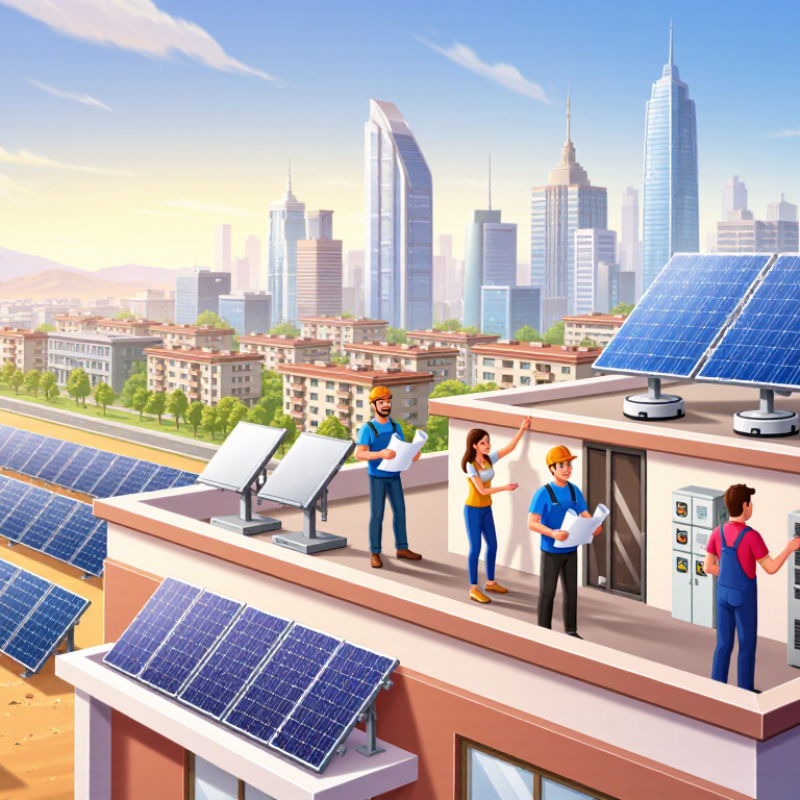
China Top 10 How to Make Solar Energy More Efficient?

Understanding Solar Energy Efficiency in China

Understanding Solar Energy Efficiency in China

Solar energy efficiency in China depends on more than panel performance. Climate, roof design, dust, heat, and grid conditions all affect daily output. Northern regions may provide strong winter sunlight, while southern areas face humidity, clouds, and frequent rain. On-site measurements matter. A roof can look suitable but still lose energy through shade from nearby buildings.

Field inspections often find small problems with large effects. Dust on panels, loose cables, and poor ventilation can reduce production over time. High temperatures may also lower electrical efficiency. Monitoring systems help identify unusual drops early. However, estimates are not always perfect. Weather changes, aging equipment, and maintenance delays can weaken projected results. Careful records are essential.

Tips: Keep panels clean, but avoid harsh tools. Check shadows during different seasons. Leave airflow beneath rooftop panels. Compare monthly output with local sunlight data. Use qualified technicians for electrical inspections. Storage can improve self-use, yet it adds cost and conversion losses. Efficiency should therefore be judged by useful energy delivered, not only the panel’s laboratory rating.

Choosing High-Performance Solar Panels and System Designs

Making solar energy more efficient starts with choosing panels that perform well in real conditions. High-performance panels should be judged beyond peak wattage. Look beyond peak wattage. Check the temperature coefficient, low-light response, degradation rate, and tested output. In hot, dusty regions, panels with lower heat loss may outperform higher-rated models. Bifacial panels can capture additional light from pale roofs or reflective ground. However, their benefits shrink on dark surfaces or crowded rooftops.

System design often matters more than a small panel upgrade. Position the array toward the strongest daily sunlight. Avoid chimneys, walls, and seasonal shadows. Use string layouts that reduce mismatch between panels. Module-level power electronics can help on complex roofs, but they add components and maintenance points. An accurately sized inverter should handle midday production without excessive clipping. Leave ventilation space beneath the panels. This gap reduces heat buildup and supports steadier output.

Reliable decisions need evidence. Ask for independent test data, installation records, and a realistic annual yield estimate. A professional survey should examine roof strength, cable routes, shading, and local weather exposure. I have seen forecasts look impressive until winter shadows were included. That mistake is easy to repeat. No forecast is perfect. Monitoring should display daily production, inverter status, and unusual drops. Cleaning also requires judgment; frequent washing wastes water, while heavy dust can reduce output noticeably. A smaller, cooler, well-matched system may perform better than a larger design with poor airflow and careless wiring.

China Top 10: How to Make Solar Energy More Efficient? — Choosing High-Performance Solar Panels and System Designs
No. Efficiency Improvement Recommended Technical Benchmark Technical Basis Expected Advantage
1 Select high-efficiency solar panels Choose modules with a rated conversion efficiency of approximately 21% or higher. Higher-efficiency modules produce more electricity from the same roof or land area, which is especially valuable where installation space is limited. More output per square meter and potentially lower balance-of-system costs.
2 Minimize temperature-related losses Prefer a power temperature coefficient close to or below −0.30% per °C. Solar module power generally decreases as cell temperature rises above the rated test temperature of 25°C. A less negative coefficient reduces hot-weather losses. Improved summer and high-temperature performance.
3 Use low-degradation modules Set a design target of no more than about 0.5% annual degradation after the initial operating period. All photovoltaic modules gradually lose output over time. Lower degradation helps preserve lifetime energy production and improves long-term project economics. More predictable energy yield over a 25-year design life.
4 Consider bifacial system design Use bifacial modules where the rear side receives useful reflected light; typical site gains are approximately 5%–15%, depending on conditions. Rear-side generation increases with a bright ground surface, sufficient row spacing, elevated mounting, and low rear-side shading. Additional energy without proportionally increasing the module footprint.
5 Optimize orientation and tilt angle In the Northern Hemisphere, face arrays generally toward the south; select a fixed tilt near the local latitude as an initial annual-energy reference. Orientation and tilt determine the amount of direct sunlight received. The optimum angle varies with latitude, roof geometry, seasonal objectives, and local weather. Higher annual irradiance capture and better seasonal production balance.
6 Reduce shading losses Aim to keep annual shading losses below approximately 2%–3% through layout planning and electrical design. Shadows from buildings, trees, parapets, and nearby rows can reduce current and create mismatch across connected modules. Higher energy yield and fewer periods of partial-array underperformance.
7 Design strings and MPPT zones correctly Group modules with similar orientation, tilt, and shading conditions on the same maximum-power-point-tracking input. Modules with different operating conditions can force a string away from its optimum voltage and current. Separate MPPT zones reduce mismatch effects. More stable power extraction under changing irradiance conditions.
8 Choose an efficient inverter Use an inverter with peak efficiency of approximately 97% or higher and an operating range suited to the array voltage. The inverter converts direct current into alternating current. Efficiency varies with load, voltage, temperature, and conversion technology. Lower conversion losses and improved output during normal operating conditions.
9 Limit cable and connection losses Design DC and AC voltage-drop losses to remain around 1%–2% per circuit where practical, while using correctly rated conductors and connectors. Cable resistance converts part of the generated electricity into heat. Longer runs, undersized conductors, and poor connections increase these losses. More generated electricity reaches the inverter, distribution equipment, and load.
10 Control soiling and maintain the system Inspect the array regularly and clean it when accumulated dirt causes an estimated 2%–5% or greater output reduction. Dust, pollen, bird droppings, industrial particles, and agricultural residue block sunlight. Cleaning frequency should reflect local rainfall, dust levels, and panel tilt. Maintains light transmission, reduces avoidable yield loss, and helps identify faults early.
Note: Actual energy gains depend on location, climate, module technology, mounting geometry, electrical configuration, maintenance practices, and local installation conditions.

Optimizing Panel Placement, Tilt, and Sunlight Exposure

China Top 10: How to Make Solar Energy More Efficient?

Optimizing Panel Placement, Tilt, and Sunlight Exposure

In much of China, south-facing panels usually receive strong daily sunlight. However, local terrain can change the best direction. A roof near Shanghai may need different planning than one near Chengdu. Place panels away from chimneys, water tanks, and tall trees. Even a thin shadow across one section can reduce the output of a larger array. Measure the site throughout the day. Morning sunlight is not enough.

Panel tilt should follow the local solar path. A moderate fixed angle often balances summer and winter production. Steeper angles may help winter sunlight, while lower angles can support summer exposure. The ideal setting is rarely perfect. Roof strength, drainage, wind, and maintenance access also matter. A qualified installer should check these conditions before final placement. Small design shortcuts can create expensive problems later.

Sunlight exposure changes as trees grow and nearby buildings expand. Record shadows during different seasons, not only on a clear afternoon. Keep a practical gap between panel rows to prevent self-shading. Clean surfaces carefully when dust or bird deposits build up, especially in dry northern areas. Do not rely on online calculators alone. They may ignore haze, roof obstacles, and local weather patterns. Real roofs are imperfect. Regular performance checks can reveal a weak connection, new shade, or a tilt decision that needs reconsideration.

Improving Energy Storage, Inverters, and Power Management

China Top 10 How to Make Solar Energy More Efficient?

Improving energy storage, inverters, and power management can raise the value of every solar panel. A larger battery is not always better. Storage should match daily electricity demand, local sunlight, and evening loads. In field checks, poor ventilation often causes battery temperature warnings and shorter service life. Place batteries in a dry, shaded area with clear airflow. Thermal monitoring matters.

Tips: Record daytime and nighttime consumption for one week. Set charging limits according to the battery’s technical documentation. Keep emergency reserve capacity for cloudy periods. Inspect cables, terminals, and cooling paths regularly. Small maintenance tasks prevent expensive efficiency losses.

A reliable inverter should convert power efficiently across changing loads. It also needs protection against voltage fluctuations and excessive heat. Ask qualified technicians to verify installation settings and safety compliance. Power management software can shift flexible loads toward sunny hours. Water heating, pumping, and some charging tasks may then use more direct solar power. However, automation can misread unusual household habits. Review the data monthly, and adjust the schedule when real usage changes. Simple systems are sometimes easier to maintain.

How to Make Solar Energy More Efficient

This chart shows typical efficiency ranges for key technologies used to improve solar-energy systems. Higher values indicate less energy lost during conversion, storage, or power tracking.

Maintaining Solar Systems and Measuring Efficiency Gains

Solar efficiency changes after installation. Dust, bird droppings, shading, loose connectors, and inverter alarms can quietly reduce output. IEA PVPS Task 13 reports that soiling commonly causes around 3–5% annual energy loss. Arid locations may suffer substantially higher losses. A clean surface matters.

Maintenance should follow site conditions, not a convenient calendar. Inspect modules quarterly, clear vegetation, and check cable connections for heat damage. Use soft water and non-abrasive tools when cleaning. Excessive washing can waste water and scratch glass. NREL’s photovoltaic operations guidance identifies availability, response time, and preventive inspections as essential performance indicators. A practical availability target is often near 98%, but local weather can make this difficult.

Measure gains before claiming them. Record daily irradiation, energy yield, operating hours, and weather conditions. Then compare performance ratio before and after cleaning or repairs. A single sunny-day comparison misleads. Compare similar irradiance and temperature periods instead. NREL degradation research commonly uses about 0.5% annual output decline as a benchmark, although real systems vary. A recurring mistake is trusting the monitoring dashboard without checking sensors. One faulty irradiance sensor can make a healthy array look weak. Keep inspection photos, fault logs, and meter readings together. The data may still look imperfect, but it becomes useful.

FAQS

What affects solar energy efficiency in China?

Climate, roof design, dust, heat, shading, and grid conditions all affect daily output. Northern areas may have strong winter sunlight. Southern areas often face clouds, humidity, and rain. It depends.

Is a south-facing roof always the best choice?

South-facing panels often receive strong sunlight, but local terrain can change the best direction. Nearby buildings, trees, chimneys, and water tanks may create shadows. Measure the roof throughout the day.

How does shading reduce solar output?

A thin shadow can weaken the output of a larger panel array. Shadows may change as trees grow or buildings expand. Check morning, midday, and afternoon conditions across different seasons.

What panel tilt works best?

A moderate fixed angle often balances summer and winter sunlight. Steeper angles may help winter production, while lower angles may suit summer exposure. Roof strength, drainage, wind, and maintenance access also matter.

How often should solar panels be cleaned?

Cleaning should match local dust and weather conditions, not a fixed calendar. Inspect panels about every three months, especially in dry areas. Use soft water and non-abrasive tools. Avoid harsh brushes.

How much energy can dirt reduce?

Dust and bird deposits can commonly reduce annual energy by around 3–5%. Arid locations may experience higher losses. The exact reduction depends on rainfall, dust levels, and cleaning delays.

How can owners measure efficiency improvements?

Record daily sunlight, energy yield, operating hours, temperature, and weather. Compare similar sunlight and temperature periods before and after cleaning. A single sunny day proves very little. Measure it.

Can monitoring systems always be trusted?

Monitoring can reveal unusual drops, loose connections, inverter alarms, and sensor problems. However, one faulty sunlight sensor may make a healthy array look weak. Keep photos, fault logs, and meter readings together. The data may still be imperfect.

Conclusion

Improving solar energy efficiency in China requires a complete approach that considers local climate conditions, electricity demand, and system design. This guide explains How to make solar energy more efficient by selecting high-performance panels, matching system capacity to actual consumption, and using suitable layouts for homes, businesses, and larger installations. Panel placement, tilt angle, orientation, and protection from shading are also essential for maximizing daily sunlight exposure and energy production.

Efficiency can be increased further through reliable energy storage, well-matched inverters, and intelligent power management that reduces unnecessary losses. Regular cleaning, inspections, wiring checks, and performance monitoring help maintain stable operation over time. By comparing expected and actual output, users can identify problems early, measure efficiency gains, and make informed improvements. Together, these practical steps support safer, more consistent, and more productive solar energy systems.

Sienna

Sienna

Sienna is a skilled marketing professional with a deep expertise in our company’s core products and services. With a passion for innovation and detail, she plays a pivotal role in crafting insightful blog posts that not only highlight the unique features of our offerings but also provide valuable......