Wing Solar
As the global demand for renewable energy rises, solar energy remains a leading option. However, enhancing its efficiency is crucial for maximizing output. According to the International Energy Agency (IEA), solar energy could account for over 20% of global electricity by 2040, making improved efficiency a priority.
Dr. Emily Turner, a renowned expert in solar technology, emphasizes that “the future of energy lies in our ability to harness the sun better.” Her insight highlights a significant challenge: while current solar panels convert around 15-20% of sunlight into electricity, many attempts at improving this conversion rate face obstacles.
Research suggests that advancements in materials, like perovskite solar cells, could push efficiency beyond 25%. However, stability and production costs remain challenging. Exploring how to make solar energy more efficient is not just about technology—it involves innovative thinking, practical implementation, and reflection on past methodologies. Progress is essential, but it must be approached with care and consideration.
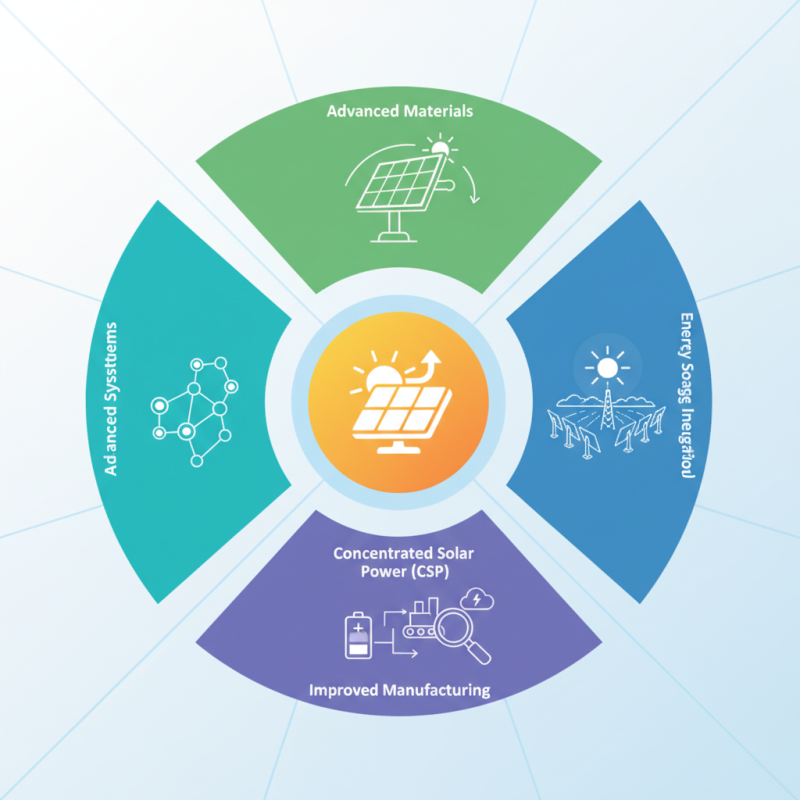
Solar energy efficiency plays a crucial role in the shift toward sustainable energy solutions. Understanding how to optimize solar energy can lead to more effective energy consumption. It’s essential to grasp the elements that impact solar panel performance. Factors include location, sunlight intensity, and the angle of panels. Each plays a part in maximizing energy capture.
While solar technology is advancing, challenges remain. Many homeowners may not know how to position panels properly to avoid shading. Regular maintenance is often neglected, leading to reduced efficiency. Additionally, weather conditions can hinder performance. Cloudy days and dust accumulation can significantly impact energy output.
Maximizing efficiency isn't just about technology; it's also about knowledge. Educating users on energy management is vital. Small adjustments can lead to significant improvements. Exploring various methods such as energy storage systems can also enhance efficiency. Understanding one's energy consumption patterns can help users make informed decisions on solar investments.
Solar panel design plays a crucial role in improving energy capture. Traditional panels often fall short in optimizing sunlight absorption. One effective approach is to enhance the angle and orientation of solar panels. This minor adjustment allows for better exposure to the sun’s rays throughout the day. The integration of tracking systems can also significantly boost efficiency. These systems follow the sun’s path, ensuring that panels maintain their optimal angle.
Another innovative strategy is the use of bifacial solar panels. These panels can capture light from both sides, increasing overall energy generation. It's fascinating how reflective surfaces can enhance this effect. Some studies suggest these panels can generate up to 30% more energy compared to traditional designs. This can be a game-changer for urban areas with limited roof space.
When considering solar panel materials, select those with superior light absorption properties. High-quality materials reduce energy losses due to reflection. Additionally, the application of anti-reflective coatings can optimize energy capture. These small upgrades can lead to substantial improvements in solar efficiency. Adapting designs also requires ongoing assessment. Are current methods truly maximizing potential? Remember to reflect on what works best for your particular environment.
Implementing advanced tracking systems can significantly enhance the efficiency of solar energy systems. These systems enable solar panels to follow the sun’s trajectory throughout the day. Research indicates that solar trackers can increase energy production by 20% to 50%, depending on geographic location and installation type. This impressive boost means greater returns on investment and improved sustainability.
Modern tracking technologies include single-axis and dual-axis systems. Single-axis trackers rotate on one axis, aligning panels to the sun's zenith. Dual-axis trackers, meanwhile, adjust both vertically and horizontally. The latter can yield energy gains exceeding 40% in optimal conditions. However, these systems require higher maintenance and initial costs. Manufacturers must ensure reliability and efficiency in these devices to avoid potential downtimes, which can impact overall energy output.
Despite their benefits, challenges persist. High installation costs and potential mechanical failures can deter some users. A 2022 report noted that 15% of solar tracker installations faced maintenance issues within their first year. Continuous innovation in tracking technology is crucial to remedy these weaknesses and enhance overall operational efficiency. Investing in robust tracking systems, while understanding their limitations, is vital for maximizing solar energy potential.
Energy storage solutions play a crucial role in maximizing solar energy efficiency. Without storage, the intermittent nature of solar power limits its efficacy. According to a report by the International Renewable Energy Agency (IRENA), solar energy storage systems can increase the use of renewable energy by up to 80%, providing consistent access even during non-sunny periods. Properly implemented energy storage can bridge the gap between energy generation and consumption.
Battery technologies, such as lithium-ion, are essential for solar energy optimization. They store excess energy generated during peak sunlight hours. A 2021 study revealed that integrating storage systems can lower energy costs by 20% on average. However, these systems require regular maintenance, which can pose challenges for homeowners and businesses alike.
Additionally, while energy storage offers significant benefits, it's not without drawbacks. Initial costs can be high, making it less accessible for some users. Also, there are environmental concerns related to the production and disposal of batteries. These factors invite reflection on how we can develop sustainable practices in energy storage. Therefore, enhancing solar efficiency is an evolving process that requires ongoing evaluation and innovation.
Smart grid technology is revolutionizing the way we manage solar energy. By integrating digital communication tools into energy systems, we can greatly enhance efficiency. According to the International Energy Agency, smart grids can increase grid efficiency by 30%. This improves energy distribution, reduces waste, and effectively manages demand.
Adopting smart grid solutions also facilitates energy storage. This aspect is crucial as solar energy generation fluctuates. The U.S. Department of Energy notes that efficient energy storage systems can reduce reliance on fossil fuels and promote renewable sources. By leveraging real-time data and predictive analytics, utilities can optimize energy flow and improve grid stability.
However, implementing smart grid technology isn't without challenges. Investment costs can be significant. Not all regions have the infrastructure to support these advancements. As per a recent report, only 20% of U.S. households currently use smart meters. This indicates a substantial gap in technology adoption. Moving forward, addressing this gap is essential for maximizing solar energy potential.
| Method | Description | Efficiency Gain (%) | Implementation Cost ($) |
|---|---|---|---|
| Bifacial Solar Panels | Utilizes both sides of the panel to capture sunlight. | 10-20 | 3000 |
| Tracking Systems | Automatically adjusts panel angles to follow the sun. | 20-30 | 5000 |
| Energy Storage Systems | Stores excess energy for use during low sunlight periods. | 15-25 | 8000 |
| Smart Inverters | Optimizes energy output and grid integration. | 5-15 | 2000 |
| Reflective Surfaces | Increases light availability for panels. | 10-20 | 1500 |
: Factors include location, sunlight intensity, and the angle of solar panels. Each affects energy capture.
Proper positioning can avoid shading. Regular maintenance is also essential for maintaining efficiency.
Weather conditions like cloudy days can hinder output. Dust accumulation also plays a significant role.
Educating users about energy management is vital. Minor changes can lead to significant improvements.
Adjusting the angle and orientation can improve sunlight exposure. Tracking systems can also boost efficiency.
Bifacial panels capture light from both sides. They can generate up to 30% more energy compared to traditional panels.
Selecting materials with high light absorption reduces energy losses. Anti-reflective coatings can optimize energy capture.
Regular reflection on current methods ensures you're maximizing potential. Not every design suits every environment.
This article explores the various methods on how to make solar energy more efficient, highlighting the importance of optimizing solar energy usage in our environment. It begins by discussing the significance of solar energy efficiency, emphasizing its role in maximizing energy capture and reducing costs.
To enhance efficiency, the article suggests improving solar panel designs to increase energy absorption, implementing advanced tracking systems that allow panels to follow the sun's path, and utilizing energy storage solutions to make solar energy accessible even when the sun isn't shining. Finally, incorporating smart grid technology enables better energy management, ensuring that solar energy contributes effectively to the overall power supply. Together, these strategies provide a comprehensive approach to improving solar energy efficiency and sustainability.
